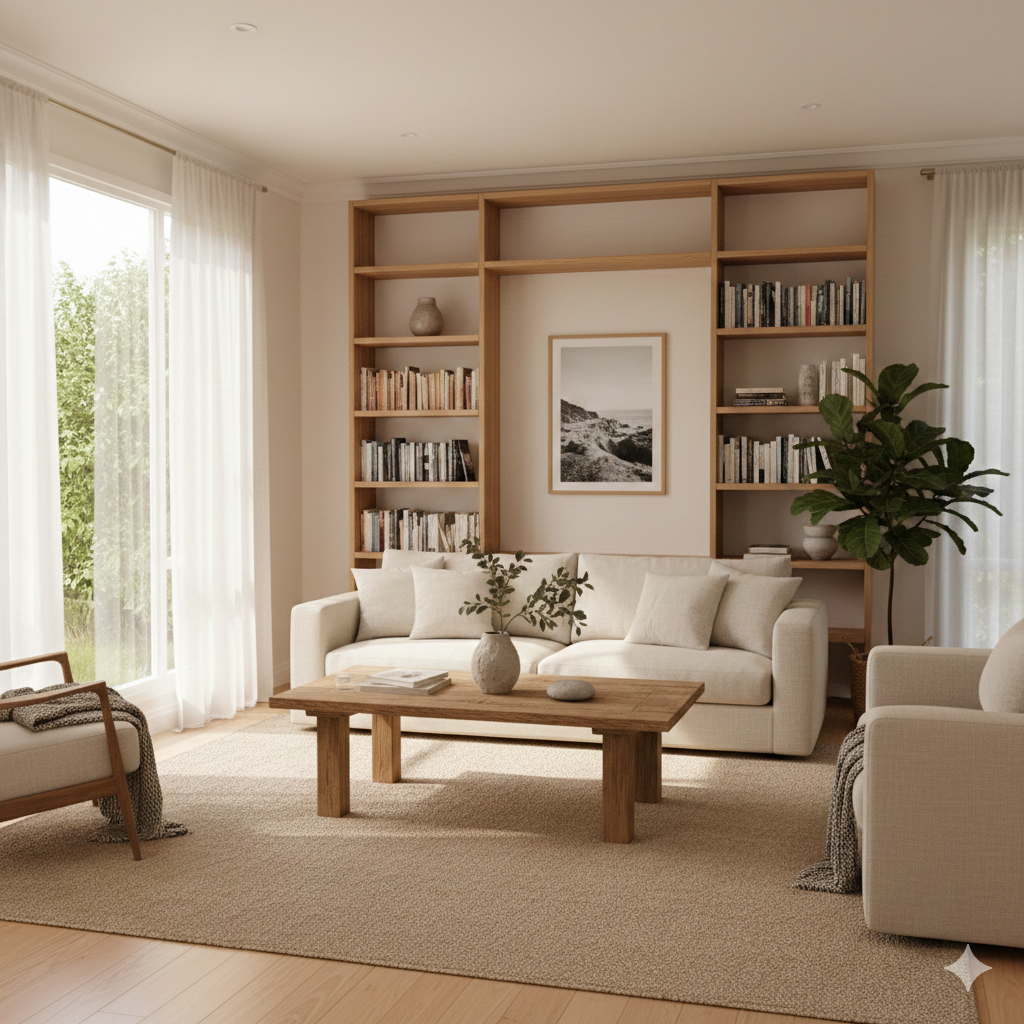
Does opening your wardrobe feel like facing an avalanche waiting to happen? You’re not alone. Many households are filled with items that rarely get used, and if you’ve been putting off tackling the chaos, you’re about to discover that the art of decluttering isn’t about perfection, it’s about progress.
Whether you’re in a compact apartment or a sprawling home, these practical declutter tips will help you reclaim your space, save money, and reduce the mental load that comes with managing too much stuff.
Why Should I Start Decluttering My Home
Before diving into the how, let’s talk about the why. Understanding the magic of decluttering goes beyond just having a tidy home, it fundamentally changes how you live.
The hidden costs of clutter:
Clutter costs more than just physical space. It creates mental and emotional burden, making it harder to find what you need and adding stress to daily routines. Beyond the frustration, clutter can lead to duplicate purchases when you can’t find items you already own, wasting money that could be better spent elsewhere.
But here’s the good news: decluttering isn’t about minimalism extremes or living with only 100 possessions. It’s about keeping what serves you and letting go of what doesn’t. When you master the art of decluttering, you’ll notice you clean faster, find things easier, and feel calmer in your own home.
How Do I Start Decluttering When I Feel Overwhelmed
The biggest mistake people make? Trying to declutter their entire house in a weekend. That’s a recipe for exhaustion and giving up halfway through.
The 15-Minute Declutter Method:
Start small. Set a timer for just 15 minutes and focus on one visible area, a kitchen benchtop, your bedside table, or the entry console. This micro-approach is one of the most effective decluttering tips because it removes the intimidation factor. You’re not committing to hours of work; you’re just doing 15 minutes.
Here’s what makes this method powerful: 15 minutes is short enough that you can’t talk yourself out of it, but long enough to see real progress. Do this daily for a week, and you’ll have decluttered nearly two hours’ worth of space without feeling drained.
Choose your starting zone wisely:
Don’t start with sentimental items like photo albums or your children’s artwork. Begin with areas that give you quick wins: expired pantry items, old magazines, duplicate kitchen utensils, or products under the bathroom sink you haven’t touched in months. These low-stakes decisions build momentum and confidence for the harder choices later.
What Are the Best Decluttering Methods That Actually Work
You’ve probably heard of Marie Kondo’s “spark joy” method, but the art of decluttering has evolved with many approaches that suit different personalities and lifestyles. Let’s explore the most effective methods for homes.
The Four-Box Method:
Grab four boxes or bins and label them: Keep, Donate, Sell, Rubbish. As you go through each area, every item must go into one of these boxes. No “maybe” pile, that’s where decluttering efforts go to die. This method forces decisive action and gives you a clear system.
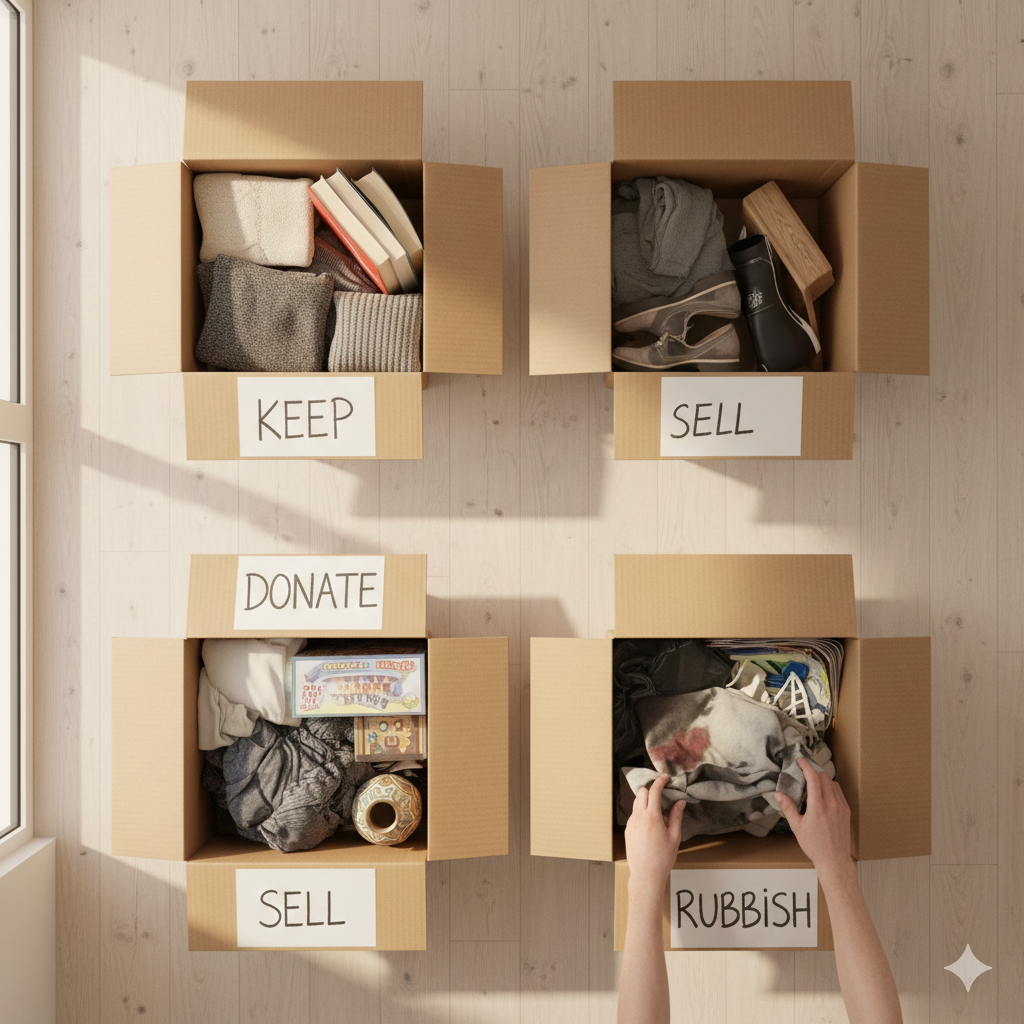
For items in the “Sell” box, consider local online marketplaces or community groups where you can list furniture and homewares. You might be surprised what people will pay for your preloved items, and the proceeds can fund your organizing journey.
The 12-12-12 Challenge:
Here’s a quick declutter tip that adds a game-like element: Find 12 items to throw away, 12 items to donate, and 12 items to return to their proper home. This challenge takes about 30 minutes and is perfect for weeknight decluttering sessions. It’s specific enough to keep you focused but flexible enough to tackle any room.
The One In, One Out Rule:
This is maintenance magic after your initial declutter. When you bring something new into your home, a new shirt, kitchen gadget, or toy for the kids, one similar item must leave. This prevents clutter from rebuilding and makes you more intentional about purchases. It’s particularly effective in Australian climates where we don’t need extensive seasonal wardrobes.
How Can I Declutter My Kitchen and Pantry Effectively
The kitchen is the heart of most Australian homes, and it’s also where clutter accumulates fastest. Between impulse Kmart buys, free promotional items, and that bread maker you swore you’d use, kitchens need strategic decluttering.
Start with expiration dates:
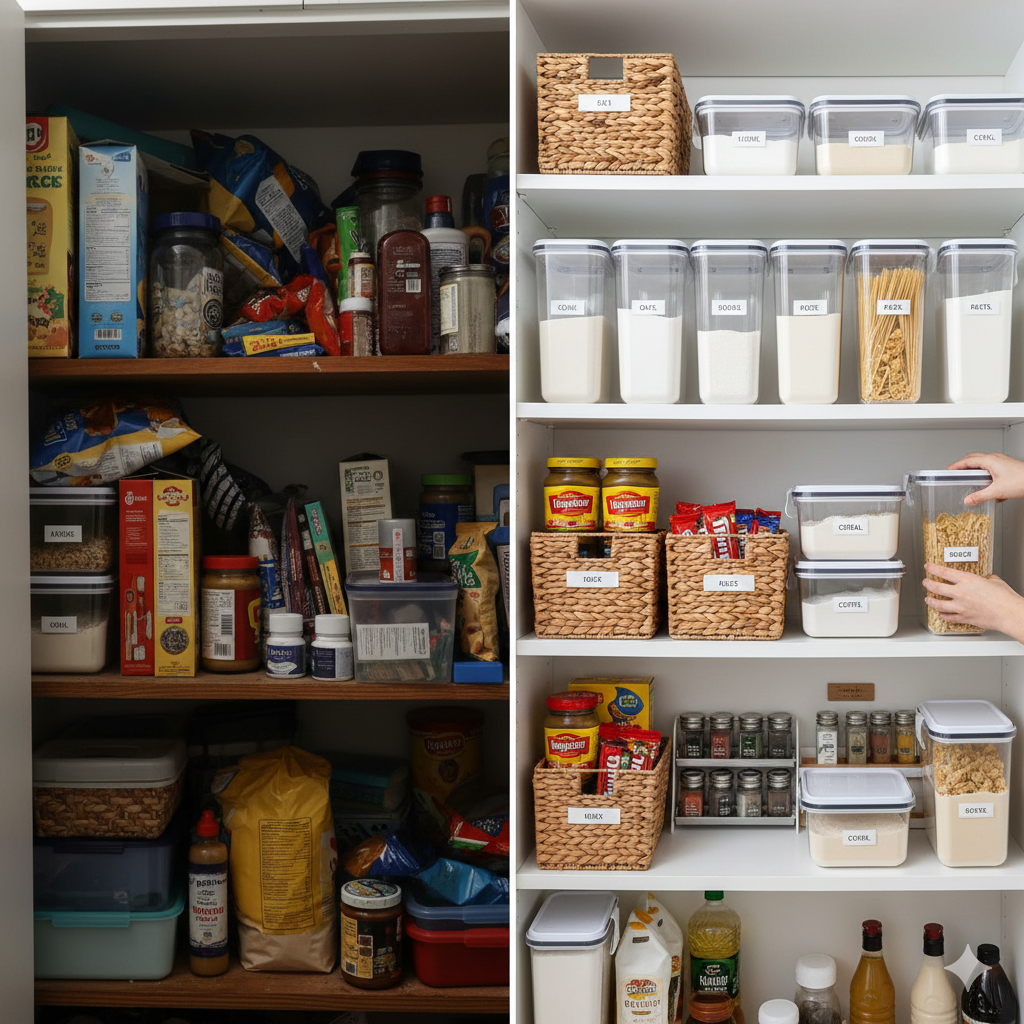
Pull everything out of your pantry and check dates. Food waste is a common problem in busy households, often because items get pushed to the back and forgotten. Be ruthless with expired spices, condiments, and packaged foods. Even canned goods have limits.
The “last used” test:
For kitchen gadgets and small appliances, ask yourself: “When did I last use this?” If it’s been over a year, it’s taking up valuable real estate. That sandwich press you used twice? The juicer gathering dust? The magic of decluttering means being honest about your actual cooking habits, not your aspirational ones.
Keep these kitchen essentials accessible: daily dishes, your go-to pots and pans, frequently used utensils. Everything else can be stored in higher cabinets or, better yet, donated to someone who’ll actually use it.
Invest in proper storage:
Once you’ve decluttered, quality pantry storage containers and drawer organisers keep things tidy. Clear containers let you see what you have at a glance, reducing overbuying. Labels take it to the next level, your future self will thank you when you’re rushing to make school lunches.
What’s the Best Way to Declutter Clothes and Wardrobes
Wardrobes are emotional minefields. We hold onto clothes that no longer fit, styles that no longer suit us, and items we spent good money on but never wear. Here’s how to tackle it with one of the most effective declutter tips for clothing.
The hanger trick:
Turn all your hangers backward. After wearing an item, return it with the hanger facing the normal direction. After three months (or six months if you want to account for seasonal changes in Australia’s varied climates), anything still on a backward hanger is a candidate for removal. This removes guesswork and shows you your actual wearing patterns.
The capsule wardrobe approach:
Australians don’t need extensive winter wardrobes unless you’re in Tasmania or the mountains. Focus on versatile pieces that work across our relatively mild seasons. Aim for quality over quantity: 30-40 well-chosen pieces that mix and match beat a crammed wardrobe where you can’t find anything.
Sentimental versus practical:
That dress from your first date? Your university hoodie? Take a photo of deeply sentimental clothing items, then donate the physical item. You preserve the memory without preserving the clutter. For truly special pieces like wedding attire, invest in proper vacuum storage bags to protect them without taking up daily wardrobe space.
How Do I Maintain a Clutter-Free Home After Decluttering
You’ve done the hard work of decluttering. Now comes the equally important part: keeping it that way. These decluttering tips focus on prevention, not just cure.
The evening reset:
Spend 10 minutes before bed doing a quick tidy. Return items to their homes, deal with the day’s mail, and reset surfaces. This small habit prevents the gradual slide back into chaos. Make it a family activity, even young children can return toys to their designated spots.
One touch rule:
Handle items only once when possible. When you bring in the mail, sort it immediately over the recycling bin. When you take off your shoes, put them away rather than leaving them by the door. When you finish your morning coffee, rinse the mug and put it in the dishwasher. These micro-actions prevent piles from forming.
Monthly mini-declutters:
Schedule 30 minutes each month to reassess one area. Rotate through different zones: January might be the linen cupboard, February the garage, March the kids’ toy collection. Regular maintenance prevents the need for massive overhauls and keeps the magic of decluttering alive in your daily life.
The holiday rule:
Before major holidays like Christmas or birthdays, do a pre-emptive declutter. Make room for new gifts by removing items that are no longer used. This is particularly important for children’s rooms, establish the practice early that new things coming in means old things finding new homes.
What Storage Solutions Work Best for Homes
Storage should support your decluttered space, not hide your clutter. The art of decluttering includes knowing what to keep and how to store it properly.
Vertical storage maximises space:
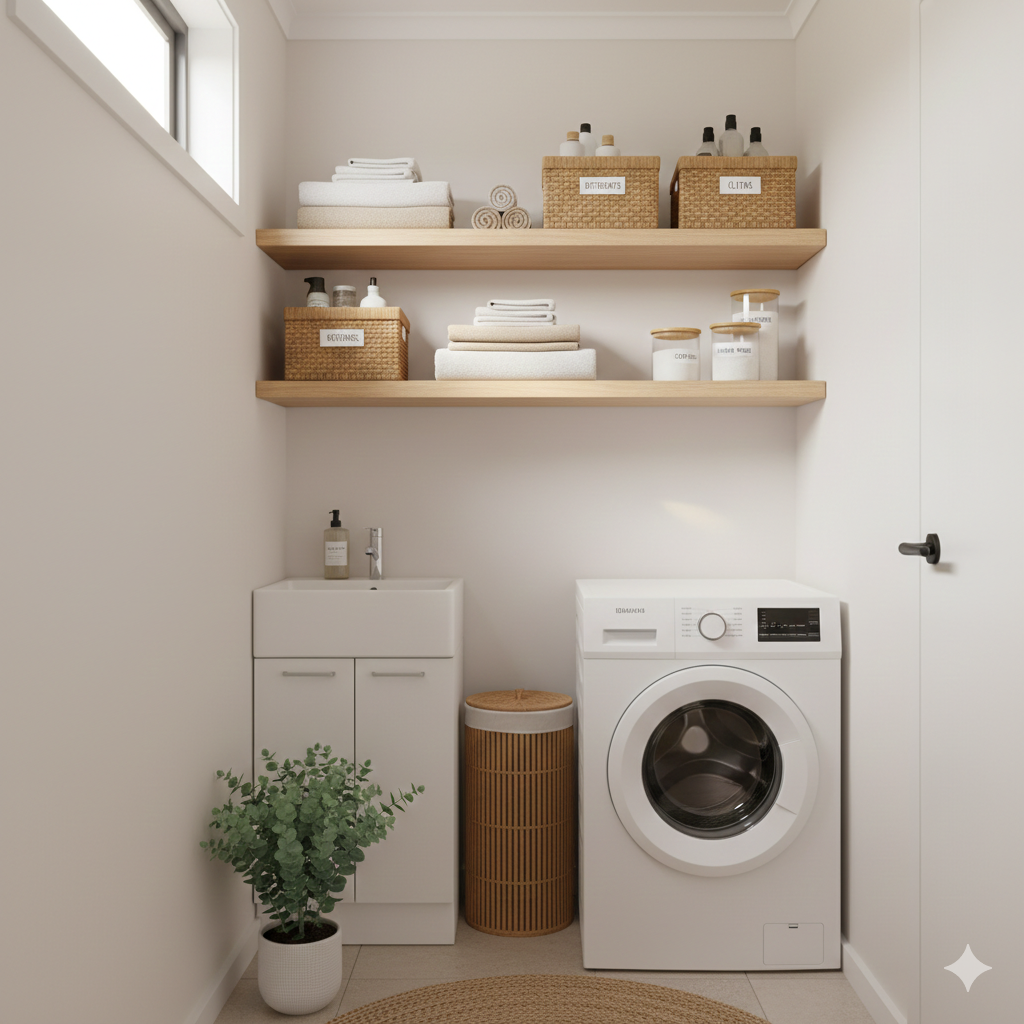
Homes, especially in capital cities, are getting smaller. Think vertically with wall-mounted shelving, over-door organisers, and tall narrow storage units. This is particularly effective in bathrooms and laundries where floor space is limited.
Under-bed storage for seasonal items:
Use under-bed storage containers for out-of-season clothing, extra bedding, or items you use infrequently but can’t part with. Choose containers that protect against dust and humidity, particularly important in coastal areas where moisture is a concern.
Multi-functional furniture:
Ottomans with storage, beds with built-in drawers, and coffee tables with shelving serve double duty. When shopping for new furniture, always ask: “Does this provide storage?” It’s one of the smartest declutter tips for small spaces.
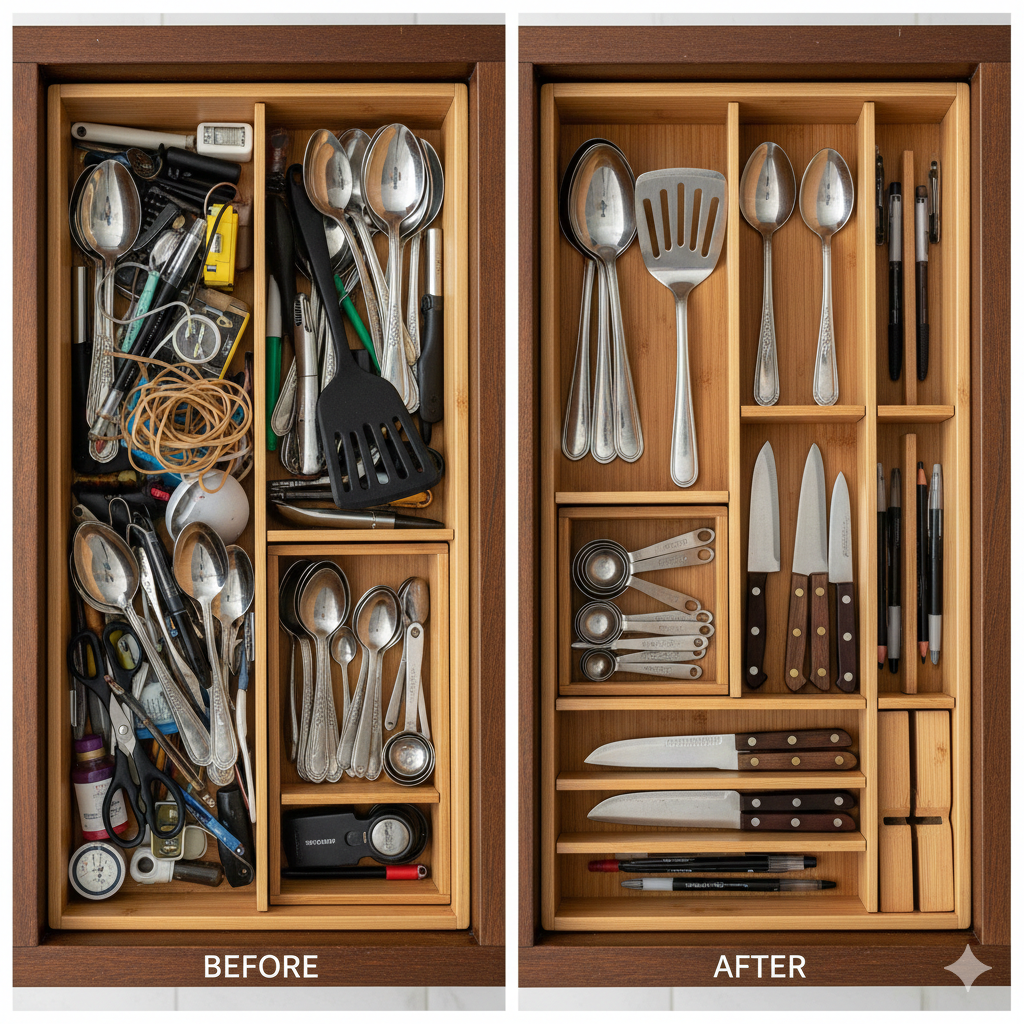
Kitchen and bathroom drawer dividers:
These are game-changers. Drawer organisers for cutlery, utensils, makeup, and bathroom products prevent the dreaded junk drawer phenomenon. Everything has a designated spot, making it easy to maintain order.
Label everything:
Labels aren’t just aesthetically pleasing, they create accountability. When storage bins, baskets, and containers are labelled, everyone in the household knows where things belong. This makes it exponentially easier to maintain your decluttered spaces.
Common Decluttering Mistakes to Avoid
Even with the best decluttering tips, people make predictable mistakes. Here’s how to avoid them.
Buying storage before decluttering:
This is the number one mistake. You don’t know what storage you need until you know what you’re keeping. Declutter first, then assess your storage needs. You’ll likely need far less than you think, saving money and space.
The sunk cost fallacy:
Just because you spent money on something doesn’t mean you need to keep it if it doesn’t serve you now. That expensive kitchen gadget that doesn’t fit your cooking style? The gym equipment gathering dust? The magic of decluttering is recognising that keeping unused items is also a cost, in space, stress, and opportunity.
Trying to declutter other people’s stuff:
Focus on your own belongings first. Trying to force your partner or kids to declutter their things creates resistance and conflict. Lead by example. When they see how much better your spaces look and function, they’ll be more motivated to join in.
Perfectionism paralysis:
Your home doesn’t need to look like an Instagram-perfect display. The art of decluttering is personal and practical. Some people thrive with visible items on shelves; others prefer everything behind closed doors. Find what works for your family’s lifestyle and aesthetic preferences.
Final Thoughts: Your Journey to a Simpler Life
The art of decluttering isn’t a one-time event, it’s an ongoing practice that gets easier with time. These declutter tips have helped thousands of people reclaim their homes and their peace of mind. The magic of decluttering reveals itself not in one dramatic transformation, but in the daily ease of finding what you need, the breathing room in your spaces, and the mental clarity that comes with less chaos.
Start small. Be consistent. Give yourself grace on the hard days. And remember: progress, not perfection, is the goal.
Your simpler, more organised life is waiting. What’s the first area you’ll tackle?